A Year Unlike Any Other
2025 Choose Clean Water Coalition Annual Report
For 16 years, the Coalition has harnessed the collective power of our member organizations to successfully advocate for a variety of federal policies and investments that are essential for clean water in the Chesapeake Bay region. During that time, Congress passed legislation to create or extend Federal grant programs and formally appropriated the funds to get critical restoration projects on the ground. But this year, we were faced with a new challenge—the Administration and its agencies unilaterally deciding to withhold or terminate critical funding for the Chesapeake restoration effort.
These unprecedented decisions caused project delays and challenges for Coalition members across the region, halting a wide range of projects focused on everything from improving soil health to lessening flood damage. Our advocacy continued, as we reported back to Members of Congress that various Federal agencies and departments were withholding funds that Congress directed them to spend. Coalition efforts helped release some EPA Chesapeake Bay Program funds in early February, but the problems were still widespread and caused delays or cancellations to critical projects.
Recognizing the extent and severity of this threat, the Coalition launched online resources that gathered and shared the latest information on frozen and cancelled Federal grants. This clearinghouse of information became a critical tool for both the Coalition and many of our members and partners and was essential during two Congressional events.

The Federal funding freeze had major impacts on Coalition member organizations.
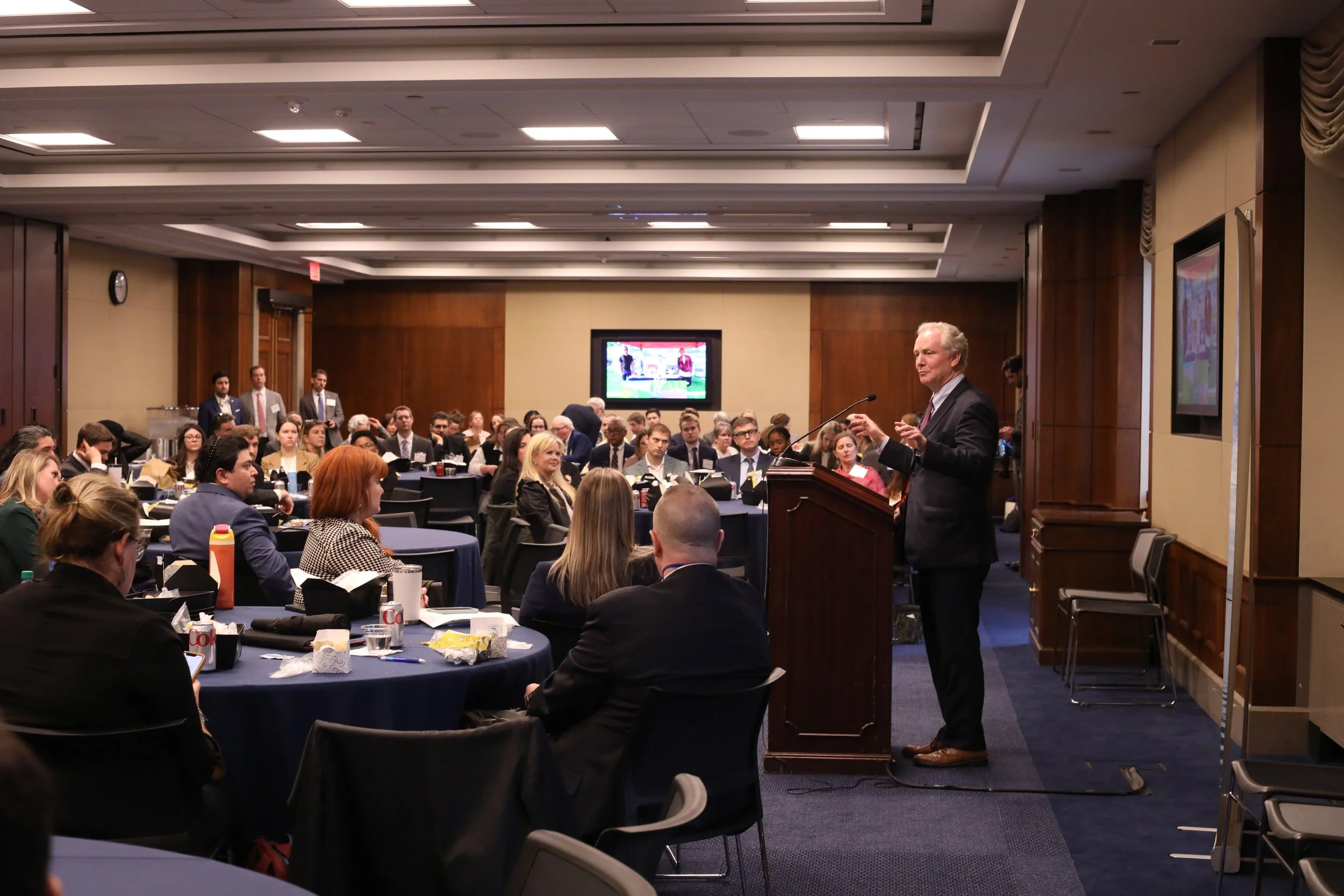
At a February briefing for Congressional staff hosted by the House Chesapeake Bay Watershed Task Force, the Coalition shared the devasting impacts of the funding freeze on Bay restoration, as well as the potential impacts of mass staff layoffs at certain Federal agencies. Then, in early March, the Coalition’s annual Chesapeake Bay Day provided the platform for Coalition members to present these specific issues and concerns to each one of the 49 House and Senate offices in the Chesapeake Bay watershed. Furthermore, 17 House and Senate Members heard directly from Coalition members about the impacts of the Administration’s unilateral actions.
In late March, Senator Angela Alsobrooks (D-MD) used data from the Coalition to stress the significance of frozen Chesapeake WILD grants supporting habitat restoration in Maryland to the incoming Director of the U.S. Fish and Wildlife Service. Senator Alsobrooks was then assured by the Director-designee that the frozen grants would be released. They were released shortly after the hearing.
In addition to frozen grants, mass layoffs of Federal employees and proposed budget cuts, the Administration also announced the closings, transfers, and reorganizations of many Federal facilities. One of these proposals terminated leases on scores of Department of the Interior facilities across the country. Included in these were six key facilities in the Chesapeake Bay watershed that are all strategically located and provide specialized services that support Federal, state, and local efforts to improve local water quality and habitat. In April, the Coalition informed Members of Congress in each of the impacted states where the six facilities operated and advocated for the overturning of their termination. We were thrilled in August when we learned all the lease terminations were rescinded.
“I have made protecting our Bay and fighting for its restoration one of my main priorities as United States Senator, and I am especially grateful for the work of the Choose Clean Water Coalition and other organizations who work tirelessly for the health of our Bay. The Chesapeake Bay is the heart of Maryland—and one of our state’s key economic drivers—supporting the tourism industry, our watermen, farmers, and access to clean drinking water. Together, we will meet our restoration goals, and our state will continue to benefit from our Bay.”
By early fall, most of the grant freezes were totally lifted, and while several key Federal staff were dismissed, most Federal agencies leading Chesapeake restoration and protection efforts were preserved. As we look toward Fiscal Year 2026 Appropriations, we are pleased that funding levels for Chesapeake work are all still intact.
We also endured the longest Federal government shutdown in American history. Occurring during the midst of negotiations surrounding the revised Chesapeake Bay Watershed Agreement, the absence of Federal partners laid bare the critical role all federal agencies play in the Bay restoration effort.
In the face of all these challenges and more, our Coalition members showcased their incredible adaptability and demonstrated the power of advocacy to protect critical policies and investments in our water. After a year unlike any other, the Coalition is better prepared to defend against any other assaults coming our way in 2026.