2026 Choose Clean Water Conference Agenda
The Pursuit of Clean Water
Registration for the 2026 Choose Clean Water Conference is closed!
If you are interested in attending the Conference, please contact Amy Scofield at amy.scofield@nwf.org.
Agenda Overview
Monday, May 18
1:30 p.m.-5:00 p.m. 2026 Choose Clean Water Conference Kickoff
5:00 p.m.-6:30 p.m. Networking Reception
Tuesday, May 19
8:00 a.m. Registration and continental breakfast open
9:00 a.m. Opening plenary session
10:00 a.m.-11:45 a.m. Breakout session round one
11:45 a.m.-1:00 p.m. Lunch and plenary
1:15 p.m.-2:00 p.m. Breakout session round two
2:15 p.m.-5:30 p.m. Field Trips
6:00 p.m.-10:00 p.m. Reception & Dinner, Riverdale Manor
Wednesday, May 20
8:00 a.m. Registration and continental breakfast open
9:00 a.m. Opening plenary session
10:00 a.m.-11:45 a.m. Breakout session round three
11:45 a.m.-1:00 p.m. Lunch and plenary
1:00 p.m.-1:15 p.m. Closing ceremony
1:15 p.m. Conference end
Monday, May 18
1:30 p.m.-5:00 p.m. Conference Kickoff
The Keystone of Collaboration: Building and Restoring Trust
Partnerships are integral to reach our clean water goals. And every successful partnership is built on a foundation of a critical element—trust. When working with external partners, whether a farmer, community, or local business, trust is essential to implement conservation practices, advocate for smart growth policies, and countless other clean water projects. Internally, trust is the backbone for any organization, coalition, or movement to reach their goals.
But our trust, in partners and one another, has been tested over the last year. The Bay’s clean water community has faced a myriad of challenges due to changing political and funding landscapes, resulting in unfilled expectations, stalled projects, and fractured relationships.
Where do we go from here? How do you build trust—and what can you do if that trust is broken? Join us for an afternoon seminar to explore those questions and more. Featuring leadership coaches, success stories, and breakout sessions, this highly interactive seminar will cultivate critical social skills and provide practical lessons you can implement to build and restore trust in your relationships.
1:30-1:40
Welcome
Join us as we kick off this year’s 2026 Choose Clean Water Conference with The Keystone of Collaboration: Building and Restoring Trust. We will provide a brief overview of the Conference Kickoff and conduct live polling to learn who’s in the room.
1:40-2:10
Breaking Down Trust
Brenna Goggin, River Network
We know how essential trust is in our relationships. But what is it, exactly? And what does it look like in different contexts? We will lay the foundation for trust, exploring data on trustworthy messengers and discuss aspects of trust related to our work for clean water.
2:10-3:00
Panel Discussion
No Shortcuts: Collaboration in Action
Maya Alexander, Alliance for the Shenandoah Valley
Diana Martin, Partnership for Environmental Stewardship
Mauricio Rosales, Alliance for the Chesapeake Bay
Brenna Goggin, River Network (Moderator)
Building effective partnerships is messy, complicated, and time consuming. While no simple formula exists to establish trust and achieve collective goals, there are many examples of groups and individuals who demonstrate the principles of successful community engagement and outreach. This panel will showcase three of those examples, highlighting principles of effective trust building and the impact of successful partnerships.
3:00-3:15
Break
Please enjoy some refreshments and gather back at 3:15.
3:15-3:30
The Pillars of Trust
Pri Ekanayake, Institute of Conservation Leadership
We have a working definition of trust and have heard examples of effective trust building in action. But what does it take to build trust and restore it when it’s broken? We’ll discuss the pillars of trust, exploring how they show up in our work and best practices we can implement to move from knowledge to action.
3:30-3:35
Breakout Previews
We will cover the breakout groups and provide instructions. Each group will have a similar approach.
3:35-4:30
Let’s Get to Work!
To consider trust building challenges and approaches, we will divide into small groups for an applied discussion activity.
Groups will consider trust building with internal and external audiences such as:
Internally within an organization/company
Stakeholders
Partners
In the community
Elected/appointed officials
4:30-4:50
Breakout Group Review
Pri Ekanayake, Institute for Conservation Leadership
We will regroup to hear from some of the breakout groups and identify themes and takeaways.
4:50-5:00
Closing Remarks and Housekeeping
Drew Robinson, Choose Clean Water Coalition
Whew–what a day! Let’s debrief what we have accomplished and heard today and provide an overview of what you can expect for the rest of the evening (drinks!) and for the rest of the conference
5:00 p.m.-6:30 p.m. Networking Reception
Stick around following our Conference Kickoff and connect with fellow clean water advocates
Tuesday, May 19
8:00-9:00 Breakfast and Registration Opens
9:00-9:45 Welcome and Opening Plenary
Welcome to the 2026 Choose Clean Water Conference!
10:00-11:45 Workshops and Sessions
10:00-11:45 // Workshop
Policy and Play–Leadership Edition
Krismir Thomas, Star Project
Join us for an immersive workshop designed for organizational leaders, policymakers, and practitioners. With a focus on advancing clean water through innovative, human-centered leadership, participants will engage in a sensory-based design lab that blends systems thinking, community engagement, and environmental strategy. Through hands-on creation, guided reflection, and collaborative dialogue, attendees will explore how trust, institutional resilience, and bold vision shape water outcomes across the Chesapeake Bay region. The experience will leave participants energized, aligned, and equipped with practical insights to strengthen their pursuit of clean water.

Photo by Hugh Kenny/The Piedmont Environmental Council
10:00-11:45 // Workshop
Organizing at the Speed of Data
Rosa Hance, Choose Clean Water Coalition
Donna Kohut, PennFuture
Lydia Lawrence, Nature Forward
Than Hitt, West Virginia Rivers Coalition
There’s no escaping the widespread proliferation of data centers throughout the Chesapeake Bay region. At this workshop, you will hear stories from across the watershed and gain a deeper understanding of the myriad complexities of data center impacts. From energy demand to water use, diesel generators and gas plants, funding gaps, and a policy landscape that shifts chaotically, you will hear how organizations are reacting and some of the lessons learned. You will also get a chance to think through real-life scenarios with colleagues and discuss the heightened capacity challenges that nonprofits face in these dynamic times.
10:00-11:45 // Workshop
The Next Generation of NFWF’s Chesapeake Bay Stewardship Fund
Jake Reilly, National Fish and Wildlife Foundation
The National Fish and Wildlife Foundation’s (NFWF) offers a portfolio of annual competitive grants programs, technical assistance, and networking and information-sharing investments. Known as the Chesapeake Bay Stewardship Fund (CBSF), the portfolio aims to advance NFWF’s contributions to the conservation and restoration of the Chesapeake Bay watershed. NFWF is embarking on a critical and highly consequential strategic reset of CBSF in 2026 through the development of a next-generation business plan that will guide its investments in the region over the next 30 years. This session will explore and gather feedback on expected strategic directions for CBSF moving forward and outline ongoing opportunities for stakeholder engagement throughout the process.
10:00-10:45 // Session
Building Policy Power Through Strong Data Foundations
Erin Hoffman, The Commons
Data plays a critical role in shaping clean water policy, yet much of the information generated through on-the-ground conservation work never gains the credibility or visibility needed to influence decisions. This session explores why practitioner-generated data often stalls before reaching policy audiences and how weak governance, unclear standards, and fragmented systems undermine its usefulness – regardless of the software used. Through real-world clean water examples and interactive exercises, participants will learn how to assess data readiness, strengthen data stewardship, and use shared language to responsibly translate field data into credible, policy-ready evidence that supports effective advocacy and durable clean water outcomes.

10:00-10:45 // Session
When It Rains, It Pours: PA’s Stormwater Fee Fight
Trisha Salvia, Chesapeake Bay Foundation
Paul Smail, Chesapeake Bay Foundation
Pennsylvania’s municipalities are facing a multimillion-dollar dilemma: how to fund critical stormwater infrastructure in an era of aging pipes, heavier rainfall, and unfunded legal requirements. Stormwater fees – a tool used by some local governments – are under legal fire. Political battles, inconsistent legislation, misinformation campaigns, and more have plagued this issue for more than a decade making progress slow and arduous. But an upcoming decision from the Pennsylvania Supreme Court decision will have major implications. Join us to learn more about the challenges and opportunities presented by stormwater fees and their power to reshape municipal budgets, environmental compliance, and the future of local governance.
10:00-10:45 // Session
Increasing Tribal Leadership to Protect Clean Water and Healthy Communities
Melissa Ann Ehrenreich, Indigenous Conservation Council
Liz Buikema, Upper Mattaponi Indian Tribe
Evan Isaacson, Chesapeake Legal Alliance.
Tribal Nations are steering up to protect clean water, wetlands and habitat through partnerships and Indigenous Knowledge. This session will feature discussions of best practices in tribal-federal-state partnerships, opportunities in the Chesapeake Bay, and share perspectives in protecting the Bay from Tribal Nations.
11:00-11:45 // Session
Beneath Our Feet: Mapping Abandoned Mines
Bobby Hughes, Eastern Coalition for Abandoned Mine Reclamation (EPCAMR)
In many places throughout the Chesapeake Bay region, there’s an insidious threat to clean water right under our feet. The extraction of prized minerals has left a pernicious legacy, tainting miles of streams that flow to the Chesapeake Bay. This session will showcase how EPCAMR has mapped surface and underground mine maps and mine pools to develop three-dimensional models that connect historic mine discharges to much larger underground interconnections. Join to gain an understanding and appreciation for the challenges and complexities of the underground hydrology and geology of the historic legacy coal mining region and learn how we developed these critical maps to aid our work for clean water.
11:00-11:45 // Session
Building a Volunteer-Led Coalition to Address Salt Pollution
Tali MacArthur, Pennsylvania Organization for Watersheds and Rivers
Jennifer Latzgo, Little Lehigh Watershed Stewards
In 2025, with the support of the Pennsylvania Organization for Watersheds and Rivers, the Pennsylvania Road Salt Action Working Group (PARSA) formed to reduce excess road salt use and accelerate public education on the impacts of winter road salt use on local and regional waterways. This session will provide an overview of the impacts of salt on waterways, infrastructure, and public health and an introduction to the remarkable efforts of PARSA to date. We will also discuss the challenges and opportunities facing this all volunteer-led coalition as it seeks long-term engagement and solutions.
11:00-11:45 // Session
The Pursuit of Organizing Your Strategic Communications
Haley Epping, Potomac Conservancy
Lauren Alozie, Potomac Conservancy
Strategic communications play a vital role in nonprofit communications, but without thoughtful planning, it can quickly strain limited staff capacity. This session will explore how to design and sustain an editorial calendar that supports your organization’s mission and goals. Attendees will learn how to map an annual messaging strategy and coordinate social media, email, blog, events, and call-to-action calendars into one cohesive system. The workshop will also cover building strong content pillars to guide creation. You will leave with practical tools to enhance your team’s communications more effectively to advance your work.
12:00-1:00 Lunch and Midday Plenary
Beyond the Choir: Faith, Farming, and Conservation
Ellie Martin, Penn State University
Mike Hudson, Interfaith Partners for the Chesapeake
Matt Carlson, Akron Mennonite Church
Matt Lenahan, Zion Lutheran Church of Akron
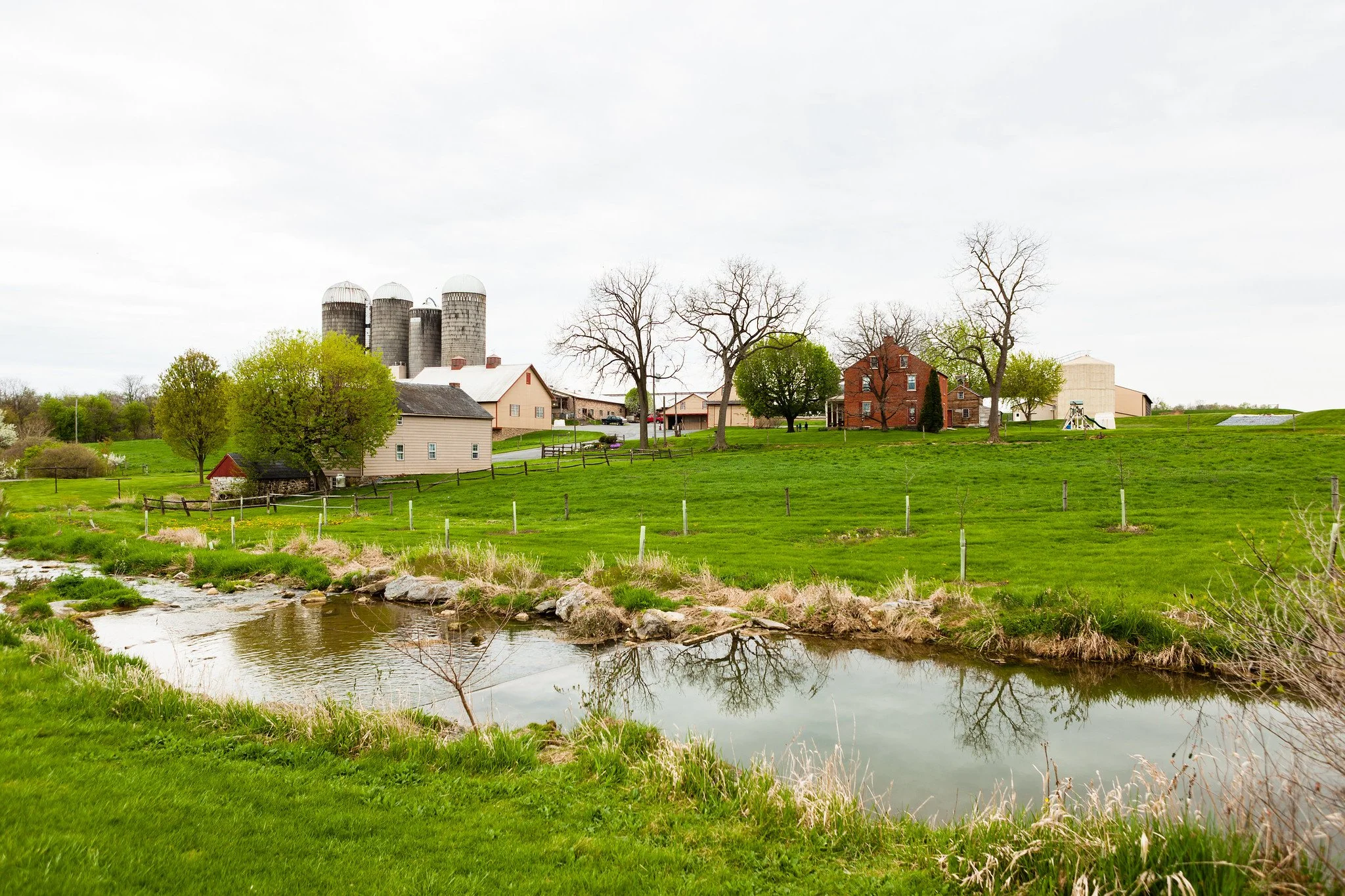
In Lancaster County, faith, agriculture, and community life are deeply intertwined. Home to more than 800 congregations and some of the most productive farmland in the country, there are unique opportunities to advance conservation efforts by partnering with faith communities. With many faith communities seeing stewardship of the natural environment as part of their religious responsibility, these groups represent a powerful but often underutilized network. Emerging research from Penn State and Interfaith Partners for the Chesapeake highlights the opportunities and potential challenges of engaging with faith communities in conservation efforts. This panel discussion will highlight how connections to faith-based stewardship values, trusted social networks, and conservation demonstrations on church grounds may help extend the culture of conservation and reach communities not yet engaged in conservation efforts.
1:15-2:00 Sessions
Co-Creating a Clean Water Legacy: Lessons from Jonestown
Emily Thorpe, JBO Conservation
Vernon Murray, JBO Conservation
Achieving clean water requires working alongside communities most affected by flooding and pollution. This session shares lessons from the Jonestown Community Stormwater Project, where partners of Envision the Choptank and residents of a rural, predominantly African American community co-developed stormwater solutions that improved water quality, health, and community resilience while building trust and lasting local capacity. Participants will learn practical strategies for shifting power, identifying essential partner roles, and applying a co-development process to meaningfully engage underserved communities in clean water efforts across the Chesapeake Bay watershed.
Collaborative Community Watershed Organization Capacity Building Successes
Nancy Merrill, Merrill Communications Consulting
Michael Schroeder, Quittapahilla Watershed Association
This session will highlight the outcomes of a pilot capacity-building initiative for community-based watershed organizations. We will explore how organizations have implemented impactful habitat and watershed restoration through strategic communication, community and stakeholder assessments, and tailored volunteer recruitment strategies.
Join us to learn about tools and resources that you can use to:
Better understand stakeholder values and awareness of your organization,
Enhance collaboration and partnership,
Recruit volunteers to meet your organization’s needs, and
Focus and prioritize your efforts on projects that advance your mission.
How Long Is Forever? EJ Approaches to PFAS Contamination in West Virginia
Maria Russo, West Virginia Rivers Coalition
Blake Flessas, West Virginia Rivers Coalition
After a 2022 study documented concerning levels of PFAS in community water systems across West Virginia, the legislature passed the PFAS Protection Act. This landmark piece of legislation charged West Virginia Department of Environmental Protection (WVDEP) with creating PFAS Action Plans. WVDEP partnered with West Virginia Rivers Coalition on EPA’s Environmental Justice Government to Government grant. By engaging directly impacted communities in information sharing and collaborative problem-solving, we have begun to address widespread contamination. Come learn about the partnerships, design, and implementation of this community engagement process as we work together to define what should be included in comprehensive PFAS Action Plans!
The Nation’s River at a Crossroads
Pat Calvert, American Rivers
David Flores, Potomac Riverkeeper Network
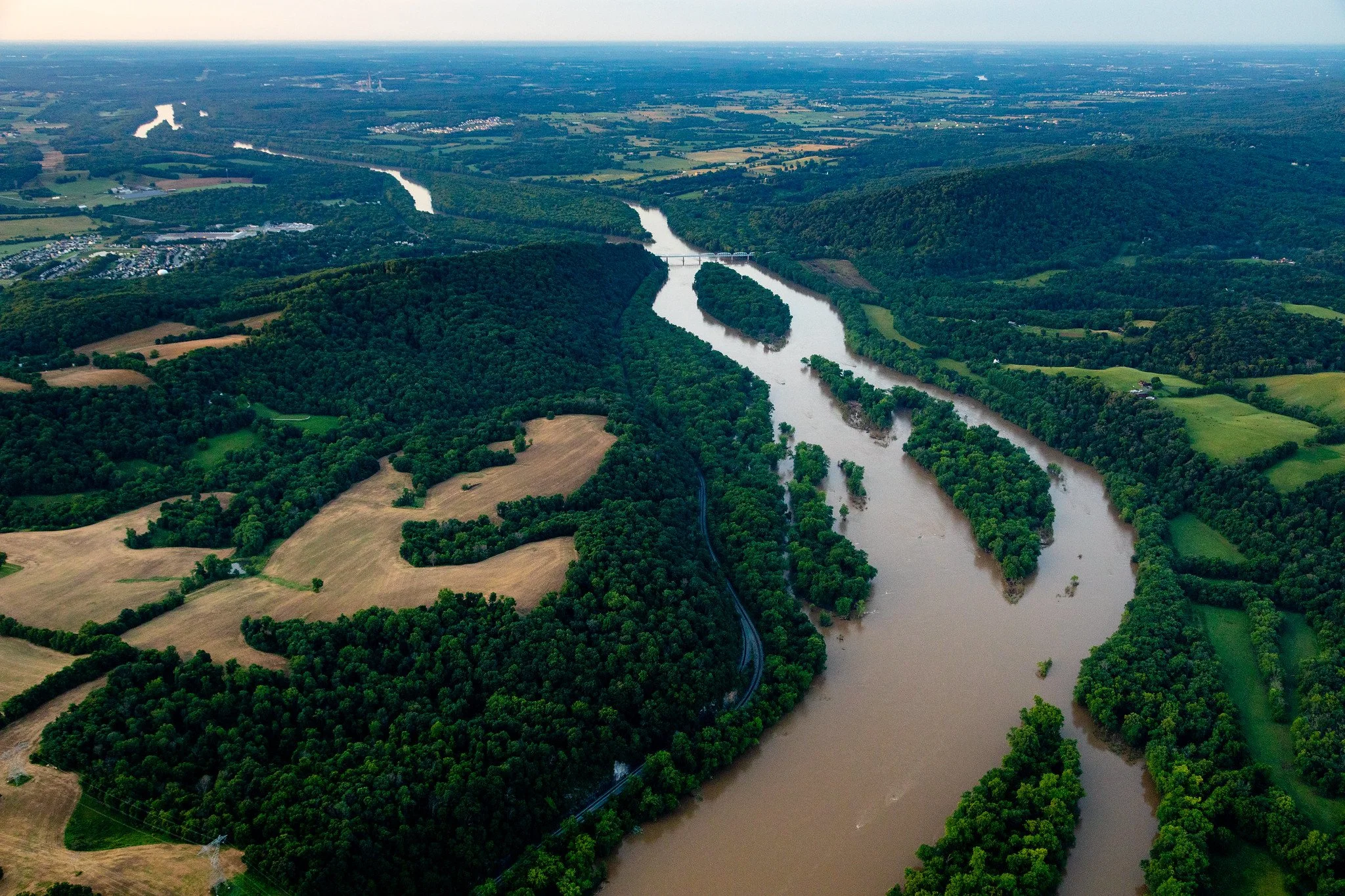
The Potomac River is the economic lifeline and cultural heart of our nation’s capital and communities across multiple states. Earlier this year, the largest sewage spill in U.S. history fouled the Nation’s River, raising alarms for public health and aging water infrastructure. Moreover, the world’s largest development of data centers in the drought-stricken watershed poses an expanding threat to river health and the resilience of drinking water supplies. As data centers and failing infrastructure are not isolated to the Potomac basin, you are invited to join this discussion of a partner-driven campaign to establish commonsense safeguards on all data centers, to meaningfully evaluate cumulative impacts on water resources, and to ensure that water and wastewater infrastructure needs are supported in all communities.
Real-Time Water Quality Data: Design, Accessibility, and Impact
Nicole Horvath, Reservoir Center for Water Solutions – Xylem
John Dawes, Chesapeake Commons
Hear how the Reservoir Center and The Commons developed a public-facing platform to deliver real-time water quality data from ten monitoring stations across the Anacostia, Potomac, and Shenandoah Rivers. With most of the sites along the Anacostia – serving historically marginalized communities underserved by environmental monitoring – this project prioritizes equitable access to critical water quality data. Attendees will explore our user-centered design approach, mobile-first accessibility features, and strategies for transforming complex sensor data into actionable intelligence that empowers citizens, researchers, and policymakers to protect local waterways. The project is in collaboration with the Anacostia Watershed Society, Anacostia Riverkeeper, and Potomac Riverkeeper Network.
Conowingo Dam Relicensing: The Pursuit to Protect Water Quality
Robin Broder, Waterkeepers Chesapeake
Ted Evgeniadis, Lower Susquehanna Riverkeeper
After 16 years of advocacy and legal action, Lower Susquehanna Riverkeeper and Waterkeepers Chesapeake successfully negotiated a settlement agreement in October 2025 with Maryland’s Department of the Environment and Constellation for a water quality certification (WQC) for the Conowingo Dam. This WQC will be incorporated into the 50-year federal license issued later this year. This session will focus on lessons learned and the reasons why it’s critically important for community members and advocates to engage in the relicensing of dams. We will also outline future advocacy opportunities for Conowingo Dam, especially on identifying projects and priorities for the pollution reduction and resiliency fund, and planning for dredging.
2:15-5:30 Field Trips
Sunnyside Peninsula: Clean Water, Conservation, and Community
Diana Martin, Partners for Environmental Stewardship
Keith Williams, Lancaster Conservancy
Join us for a guided tour of Sunnyside Peninsula in the City of Lancaster – the future site of a new environmental center and the city’s first nature preserve. This field trip will include a two-mile guided hike exploring the site’s ecology, history, and habitat restoration opportunities, alongside an overview of the collaborative environmental center that will be home to eight nonprofit partners. Speakers from Partners for Environmental Stewardship, Lancaster Conservancy, the City of Lancaster, Lancaster Clean Water Partners, and others will highlight how this project advances Lancaster’s clean water goals through education, restoration, and community engagement.
Building Resilience: Little Chiques Creek in Mount Joy
Paul Duncan, Chiques Creek Watershed Alliance
Mark Metzler, Rettew
Renovations in the Little Chiques Creek and adjacent floodplain aim to mitigate erosion during minor heavy rain events and improve access to the floodplain during less frequent flooding events. Recently completed renovations in Mount Joy experienced two heavy floods in the summer of 2025. The designer will explain the renovations, how they performed during the floods, and the long-term value of such projects in constrained urban areas.

Preserved Farms Leading Conservation in Lancaster County
Jeb Musser, Lancaster Farmland Trust
Michael Kelchner, Lancaster Farmland Trust
Join Lancaster Farmland Trust for a guided tour of two preserved Lancaster County farms showcasing effective land stewardship and conservation in action. This mobile seminar explores how farmland preservation and strong partnerships support soil health, water quality, and long-term agricultural viability. Participants will visit Amish and organic dairy operations featuring manure management upgrades, and barnyard improvements. Located in key watersheds, these farms highlight practical conservation solutions that deliver lasting environmental and economic benefits while protecting productive farmland for future generations.
Explore the Blue Green Connector Restoration and Future Trail
David Goerman, Pennsylvania Department of Environmental Protection
Emily Landis, Steinman Foundation
Visit the Blue Green Connector, an ambitious initiative to restore a portion of the Little Conestoga Creek and create an accessible trail system in the heart of Lancaster. In collaboration with a growing circle of public and private partners, The Steinman Foundation and the Little Conestoga Creek Foundation are leading this exciting project to improve water quality and restore ecosystems along the Little Conestoga Creek. The Blue Green Connector will restore 25 acres of floodplain wetlands and create 3.5 miles of ADA-accessible trails. These community spaces will offer opportunities for recreation, outdoor learning, art, and research that can be explored and enjoyed by all.
Many Farms, One Stream: Partnership-Driven Restoration in Beiler Run
Matthew Ehrhart, Stroud Water Resource Center
John Jackson, Stroud Water Resource Center
Beiler Run is a small tributary to Mill Creek, located in an agricultural watershed approximately eight miles from downtown Lancaster. Years of relationship building with farmers have yielded substantive improvements in the health of local streams. We’ll explore the chemistry and macroinvertebrate data resulting from the extensive agricultural and riparian forest buffer implementation and discuss current efforts to return wild brook trout to the watershed.
35 Years of Restoration in the Lititz Run Watershed
Brian Harris, Warwick Township
Emily West, LandStudies
Right in Lancaster’s backyard is a nationally recognized restoration project. One of twelve watersheds in the nation acknowledged as a EPA National Showcase Watershed, the Lititz Run Watershed has many lessons to offer. We’ll visit select restoration projects showcasing a wide range of water quality topics from compliance to innovative solutions in stormwater management. Local government and watershed alliance representatives and environmental consultants will lead the tour, speaking to the collaborative process, project results, and on-going work in the watershed to improve water quality.
Wetlands That Work at Long’s Park
Angela Brackbill, City of Lancaster
City of Lancaster staff will lead a tour of the riparian plantings and wetland boardwalk at Long’s Park, a popular 80-acre park on the northwest edge of the City of Lancaster. The Wetlands at Long’s Park, completed in 2023, is an innovative water treatment system that improves the health, habitat value, and appearance of Long’s Pond. The system also helps improve the water quality in the Little Conestoga Creek, which flows into the Lower Susquehanna River. The project features a man-made natural treatment system that includes a forebay with floating wetland islands, an iron-enhanced media filter, and two wetland marshes.
Lancaster City Green Infrastructure and Trees Walking Tour
Kate Austin, City of Lancaster
Michael Meyer, City of Lancaster
City of Lancaster staff will lead a walking tour highlighting the City’s award-winning green infrastructure installations and urban tree canopy. Participants will have the opportunity to tour our historic city, learning how we have incorporated green infrastructure projects such as rain gardens, porous pavements, subsurface infiltration beds, green roofs, and trees have into parks, rights of way, and public and private properties. These projects not only manage stormwater, but calm traffic, increase habitat, and green our dense, urban fabric. With more than 15 years of experience implementing the City’s green infrastructure program, staff will share lessons learned from design, operations, and maintenance over time.
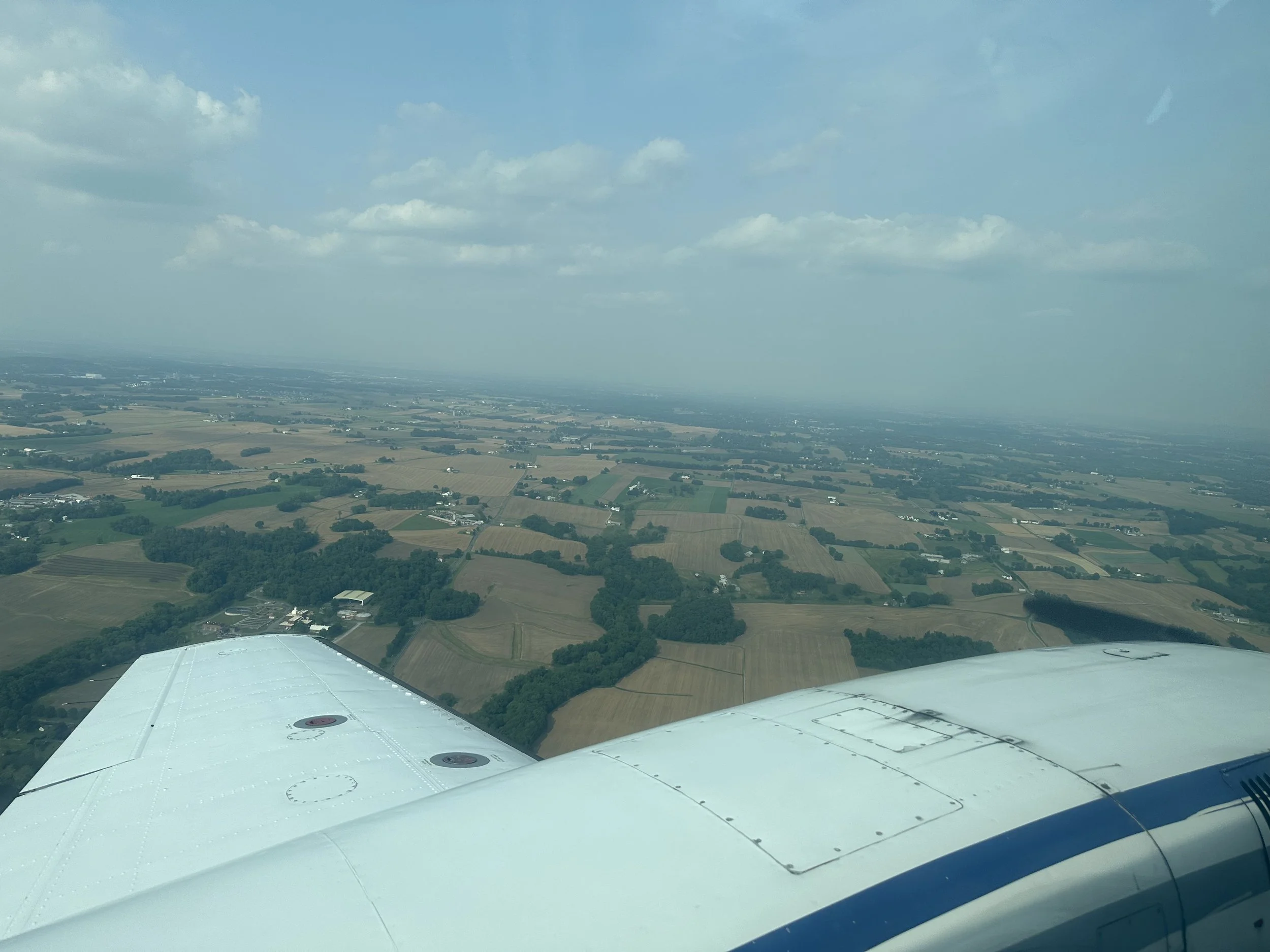
Photo from the SouthWings field trip from the 2023 Choose Clean Water Conference. Photo by Eli Franzen.
The Susquehanna from the Sky
Laura Early, SouthWings
Ted Evgenaidis, Lower Susquehanna Riverkeeper Association
With SouthWings, general aviation aircraft become flying classrooms. This field trip offers an educational flight excursion to uniquely illuminate the cumulative factors that either contribute to or undermine the environmental health of the Susquehanna River. Lower Susquehanna Riverkeeper staff will point out sites along the river corridor that have been the focus of their work in protecting the health of the river. Please note that this field trip will be canceled in inclement weather.
Floating the Conestoga: The WaterHeart of Lancaster
Malinda Harnish Clatterbuck, Conestoga River Club
Brian Gish, Chesapeake Bay Foundation
Let’s get on the water! Join us for a two-hour hour guided kayak float on the Conestoga River. Kayaks and paddles are provided. The program combines education about river health, pollution reduction, and community stewardship with a recreational, meditative experience of floating, observing, listening, and being on the water.
Cleaning Pennsylvania Streams: Conservation and Monitoring in Action
Hilary Dozier, US Geological Survey
Denise Coleman, National Resource Conservation Service
Get outside and see how conservation practices and monitoring data are used to improve the health of local Pennsylvania streams. Participants will visit Chiques Creek and see how cutting-edge technologies are helping to monitor water-quality conditions and the impact of conservation practices. This trip will include hands-on demonstrations of water-quality sampling, real-time instrumentation, and streamflow technologies. A visit to dam-removal project will highlight how conservation partners are working throughout Pennsylvania to address issues related to fish passage and legacy-sediment in local streams.
6:00-10:00 Evening Reception
Join the Coalition at Riverdale Manor for our evening reception as we reconvene for the best clean water networking event of the year!
Wednesday, May 20
8:00-9:00 Breakfast and Registration Opens
9:00-9:45 Morning Plenary
Choose Your Own Adventure: Jeopardy, Networking, and Open Forum
Chesapeake Bay Watershed Jeopardy
Test your clean water knowledge! Jeopardy contestants will divide into teams and the Coalition’s own Peter Marx will lead participants through a fun board of Bay watershed-related trivia.
Networking Bingo
Get to know your fellow conference-attendees and play a special version of Bingo diving into our work for clean water.
Open Forum
Not up for a game? Head to the designated rooms to connect with fellow attendees.
10:00-11:45 Workshops and Lightning Rounds
10:00-11:45 // Workshop
Next Level Collaboration to Achieve Lasting Results
Bess Langbein, Due East Partners
Allyson Gibson, Lancaster Clean Water Partners
Your organization is already collaborating, but is it delivering the results your community needs? Are the right people at the table? Is everyone clear on the goals and their role? Is there accountability to collectively show progress and impact? This interactive workshop explores how to deploy Collective Impact to strengthen collaboration across sectors and geographies in the pursuit of clean water, with perspectives from a collaborative leader, Lancaster Clean Water Partners. Participants will gain practical tools to engage diverse partners and turn collaboration into coordinated action that advances clean water outcomes.
10:00-11:45 // Workshop
The Perfect Candidate Is Not Human
Leeanna Duong, Chesapeake Bay Trust
Wuill Urvina, Choose Clean Water Coalition
We’ve all heard it: “The job market is impossible.” “No one is hiring.” “I’ve sent dozens of applications and heard nothing back.” But beneath these frustrations lies a deeper issue: today’s hiring systems often expect perfection, reward automation, and value insider access over people.
In this workshop, we will examine how the modern hiring process has become increasingly dehumanized. We will explore how it is currently shaped by unconscious bias and artificial intelligence screening tools. In the clean water and environmental sectors, these barriers directly affect who gets access to leadership pipelines and long-term careers.
Together, we’ll unpack how hiring managers may unintentionally reinforce unfair barriers, explore how AI tools are reshaping candidate evaluation, and discuss practical strategies to build a more human-centered hiring process from a panel of professionals. Whether you are a job seeker, supervisor, or organizational leader, this session will offer tools to rethink how we define the “perfect candidate” and how we can do better.
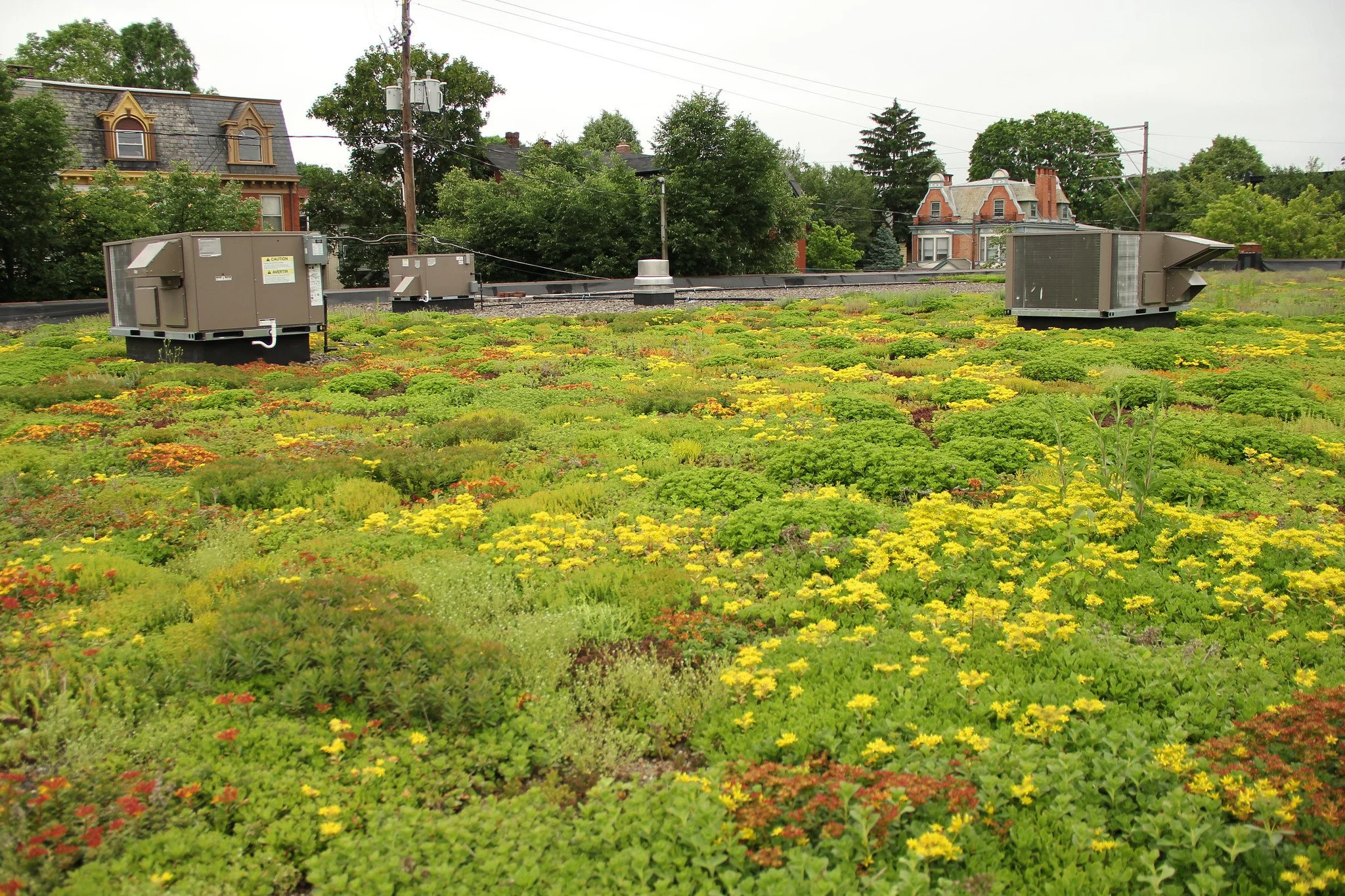
A green roof in Lancaster, PA. Photo courtesy Chesapeake Bay Program.
10:00-11:45 // Workshop
Lancaster City Clean Water Wins Through Green Infrastructure
Molly Deger, City of Lancaster
Angela Brackbill, City of Lancaster
Cindy McCormick, City of Lancaster
Stephen Campbell, City of Lancaster
Lancaster, Pennsylvania was one of the first cities in the nation to adopt a comprehensive green infrastructure (GI) plan and has spent the last 15 years turning that vision into lasting clean water outcomes. This interactive workshop explores how Lancaster sustained and evolved its GI program across political transitions, staff changes, and increasing development pressure. Through brief presentations and hands-on activities, participants will examine how GI can deliver measurable stormwater reductions while advancing equity, resilience, and community benefits. Attendees will leave with practical strategies for implementing GI through public projects and private development in pursuit of clean water.
10:00-10:20 // Lightning Round
Making Waves: Stories That Inspire Clean Water Action
Meghan Goff, Onword Communications
What if science told better stories? Complex water quality data and policy frameworks often fail to inspire action because they're missing the human element. This interactive lightning round will reveal how strategic storytelling transforms abstract concepts into compelling narratives that mobilize donors, advocates, and communities. Participants will learn a practical framework for identifying and crafting stories from their work, explore real-world examples of narrative-driven campaigns that achieved measurable impact, and practice techniques to make technical information accessible and emotionally resonant. You'll leave with actionable tools to connect authentically with diverse audiences and drive meaningful engagement in clean water protection.
10:00-10:20 // Lightning Round
Getting More for Less from Farms
Harry Huntley, Environmental Policy Innovation Center (EPIC)
With agriculture the leading source of pollution to the Chesapeake Bay, a new model is gaining steam. By offering compensation for verified pounds of pollution removed rather than just the installation of practices, four Pay for Success programs present a significant shift from traditional approaches to implementing conservation practices on farmland. EPIC analyzed how these programs’ timelines, statutory and solicitation language, template contracts, and more impact the cost paid for water quality improvements. Research included conducting a suite of interviews with agency staff, bidders (successful and not), contractors, and researchers. Join this lightning round to learn what leads to maximum cost-effectiveness, opportunities to refine existing programs, and what the rest of the country can learn from Pay for Success programs in the Bay watershed.
10:00-10:20 // Lightning Round
From Capacity to Conservation: How Organizational Investments Accelerate Community Based Restoration
Amber Cameron, Chesapeake Bay Trust
Danielle Hamilton, Chesapeake Bay Trust
Taylor Swanson, Assateague Coastal Trust
Capacity building is often seen as behind the scenes work – but when done strategically, it directly enables organizations to deliver stronger restoration and community outcomes. In this session, Chesapeake Bay Trust and Assateague Coastal Trust share how a targeted capacity building investment strengthened fiscal systems, leadership, and governance – positioning the organization to secure new funding, form cross sector partnerships, and rapidly implement conservation and education projects. Learn how building internal readiness can unlock large scale restoration opportunities and expand community impact across the Chesapeake Bay watershed.
10:30-10:50 // Lightning Round
Creating a Public Advocacy Campaign That Delivers Results
Brad Williamson, Restore America’s Estuaries
Every day, hundreds of government bodies make decisions that impact the health of the Chesapeake – from local stormwater management to federal funding. As environmental advocates, it is critical that decisionmakers are hearing from the people they represent about how their choices impact the Bay. Learn how to create a successful public advocacy campaign to drive policy results at the local, state, or national level, using tips and tools accessible for any sized campaign and by any size of organization.
10:30-10:50 // Lightning Round
Sh*t Happens: Managing Water Quality on Farms
Kayli Rentzel, Penn State Extension Center for Agricultural Conservation Assistance Training
Agriculture plays a significant role in water quality, often in ways that are unfamiliar to those outside the ag sector. This fast-paced lightning round introduces common agricultural water quality challenges and highlights practical approaches to manage them. Designed for water quality professionals who do not typically work in agriculture, this session provides an accessible introduction to farm-based resource concerns and how they show up on the landscape. Attendees will leave with the ability to identify at least three water quality resource concerns commonly found on farms through a “boots on the ground” approach and aerial imagery.

10:30-10:50 // Lightning Round
Empowering Community Champions to Foster Urban Environmental Stewardship
Cathleen Mastrilli, Alliance for the Chesapeake Bay
Trash. It’s one of the most visual sights of pollution. But how do you start picking it up at scale? Piloted in 2024/2025, the Alliance for the Chesapeake Bay launched the Project Clean Stream Champion model which trained and empowered local Champions. With guidance, these Champions improve, restore, and protect their watershed through hosting local trash cleanup events and identifying other opportunities for engagement and improvement in their communities. Champions received a stipend of up to $30 per hour for their time and expertise. By attending this 20-minute lighting round, you will learn how you can lower barriers to volunteerism and civic engagement at your organization.
11:00-11:20 // Lightning Round
Water Week: The Power of Collaboration and Community
Kelly Slippey, Lancaster Conservancy
Now in its 10th year, Lancaster Water Week is an annual celebration of the 1,400 miles of streams and rivers that wind through our county. These cricks and creeks are the source of our drinking water, drive economic and agricultural growth, and allow us to escape into nature to fish, paddle, and swim. Learn how the Lancaster County community comes together through unique partnerships, diverse events, and collaborations to engage our community in caring for our streams and rivers.
11:00-11:20 // Lightning Round
USGS: Delivering Science for a Healthier Chesapeake
Jimmy Webber, US Geological Survey
All throughout the Chesapeake Bay region, the US Geological Survey (USGS) is delivering science that informs restoration and conservation of the our lands, water, and wildlife. With a revised watershed agreement, USGS has updated its science activities to maintain strong alignment with partnership priorities. A short presentation will highlight these 2026 science activities, which are focused on themes of water quantity and quality, living resources and habitats, and land and water mapping. An interactive discussion will invite the audience to share feedback about these science topics and about ways the USGS can most effectively communicate scientific insights.
11:00-11:20 // Lightning Round
Pesticides and PFAS in the Bay Watershed
Vicki Blazer, USGS (Retired), Maryland Pesticide Education Network
All around us, pesticides and PFAS are polluting our waters, land, and bodies. With a focus on applying the latest scientific literature, this presentation will provide lessons on communicating research findings to address this pernicious problem. We will also cover recent summaries of research and data on pesticides and PFAS in the Chesapeake Bay watershed, as well as existing gaps in the data gaps.
11:30-11:50 // Lightning Round
Utility Tours: Building Community Trust and Stewardship
Morgan Brazeau, Lynchburg Water Resources
This lightning talk will highlight why water and wastewater facility tours are one of the most effective tools for public engagement and how utilities can design tours that build trust, inspire stewardship, and connect residents to the larger pursuit of clean water. Using examples from Lynchburg Water Resources, we will explore how tours help communities appreciate the value of infrastructure investment, build understanding of a community’s natural resources, and highlight the upstream–downstream connections that shape the health of the Chesapeake Bay. Participants will leave with simple, replicable best practices for high-impact public tours.
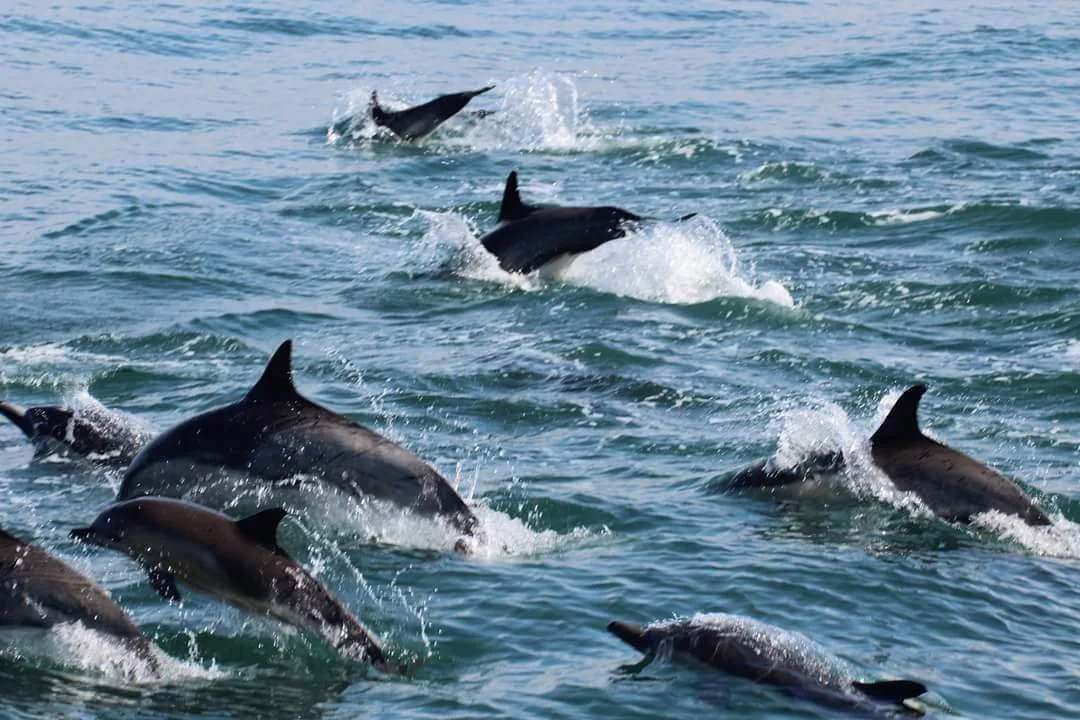
Photo courtesy Creative Commons.
11:30-11:50 // Lightning Round
What Do Dolphins Tell Us About the Water?
Janet Mann, Georgetown University
Despite frequenting the Chesapeake Bay in the thousands from April to October, Tamanend's bottlenose dolphins have received little attention – until now. They are the largest predator that consistently occupies the Bay and have a tremendous impact on the ecosystem. Dolphin welfare depends on water quality, sustainable fishing practices, and responsible recreation. We’ll cover the history of dolphins in the Bay, scientific discoveries, their vulnerabilities, and new machine-learning tools we are using to track their health. As sentinel, flagship, and umbrella species, dolphins are ideal emblems for promoting the health of the Chesapeake Bay.
11:30-11:50 // Lightning Round
Working for Systemic Change in Virginia's Water Protections
David Sligh, Wild Virginia
In its Campaign for Virginia's Water Future, Wild Virginia seeks to make systemic changes in the ways state regulators use their authority to carry out duties under the Clean Water Act. This includes targeted permit challenges to insist that water quality standards are fully enforced, and work to strengthen regulations where gaps in pollution monitoring and controls fail to adequately protect human health, recreation, and aquatic ecosystems. We ensure robust public involvement through intensive training of volunteer advocates and issue-specific guides and assistance to individuals and allied groups. This session will explain our general approach and unique tools we have found to be effective at producing change.
12:00-1:00 Lunch and Final Plenary
River Connections: Cultivating Stewardship Through the Arts
Keisha Finnie, Artist
Dominique Jordan, Artist
Megan Blackmon, City of Lancaster (Moderator)
In 2022, the City of Lancaster launched the “River Connections” project with the goals of showcasing the historical and cultural connections to the Conestoga River and cultivating a greater sense of stewardship and community around the river. The community driven project employed emerging local artists and tapped into previously untapped networks to achieve these goals. Awareness about the need for care and repair of the Conestoga River is spreading throughout Lancaster’s neighborhoods through spoken word, visual art, film, and music. In this panel discussion, two of the project’s featured artists will share powerful video, imagery, and stories gathered from the project and reflect on how this model can inspire stewardship and strengthen connections to local waters employed elsewhere in the Chesapeake Bay region.
1:00-1:15 Closing
Closing Remarks and Where Are We Headed for the 2027 Choose Clean Water Conference?
Kristin Reilly, Choose Clean Water Coalition
Marisa Olszewski, Maryland League of Conservation Voters
Scott Budden and Ben Ford, ShoreRivers