Clean Water Conversing at Maryland Member Meeting
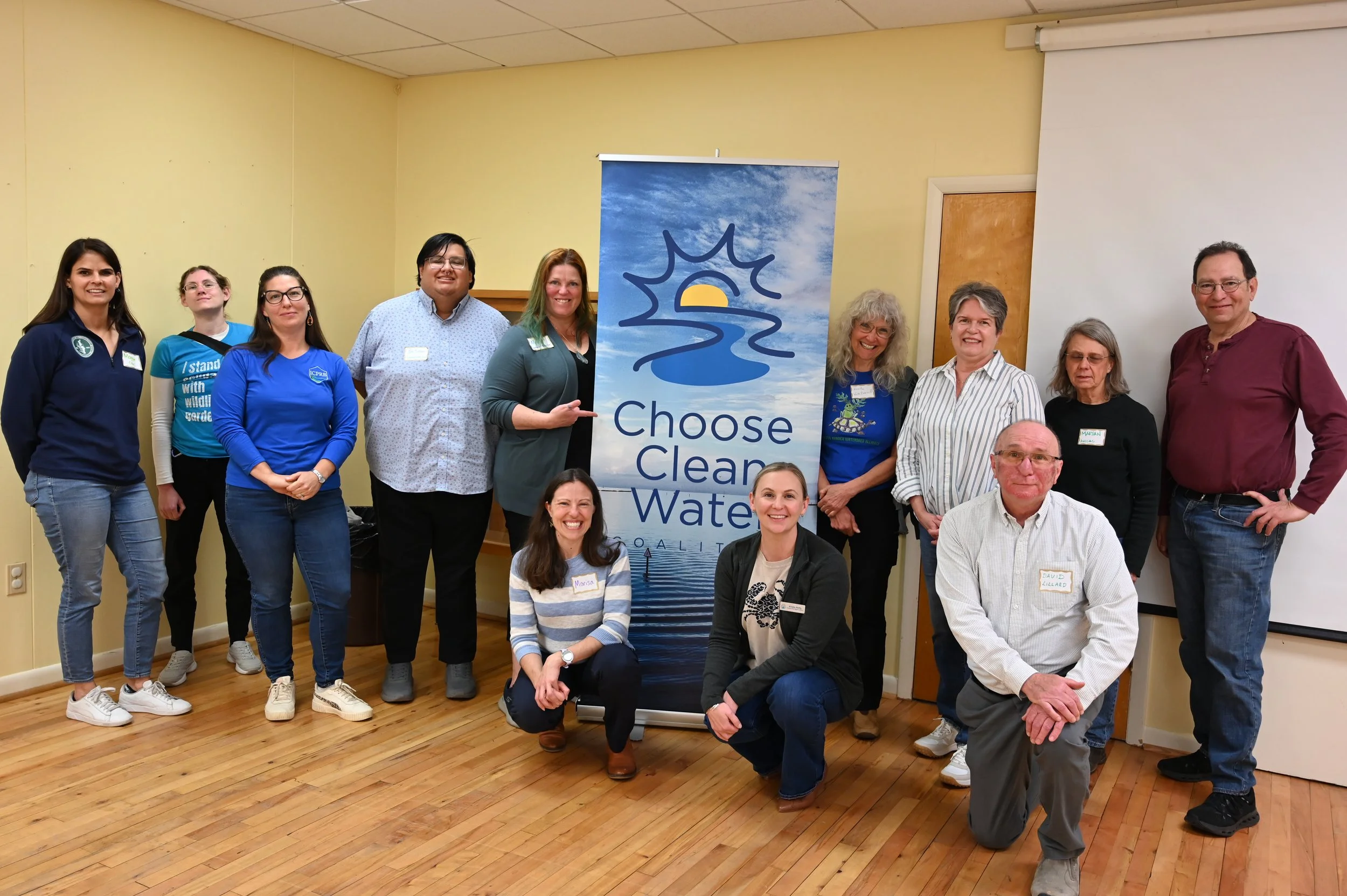
Members of the Maryland Choose Clean Water Coalition convened on April 21 in Point of Rocks—a small town south of Frederick, Maryland and adjacent to the Potomac River. Earlier in April, American Rivers designated the Potomac River America’s Most Endangered River, making our meeting there all the more timely. The agenda included updates on regional water policy, restoration efforts in Western Maryland, and emerging environmental challenges facing the Chesapeake Bay watershed.
Maggie Woodward, Maryland Director with the Chesapeake Bay Commission, joined us to provide an update on the topics on which members of the Bay Commission have been focused recently. She reported commissioners are increasingly focused on PFAS contamination. Maryland and Virginia both advanced policies this year to address PFAS in biosolids, signaling a growing regional commitment to tackling “forever chemicals.” Commissioners also highlighted continued interest in “pay-for-performance” programs, which fund pollution reduction projects based on demonstrated outcomes. She also shared updates on major initiatives like Pennsylvania’s Clean Streams Fund and Maryland’s Whole Watershed Act.
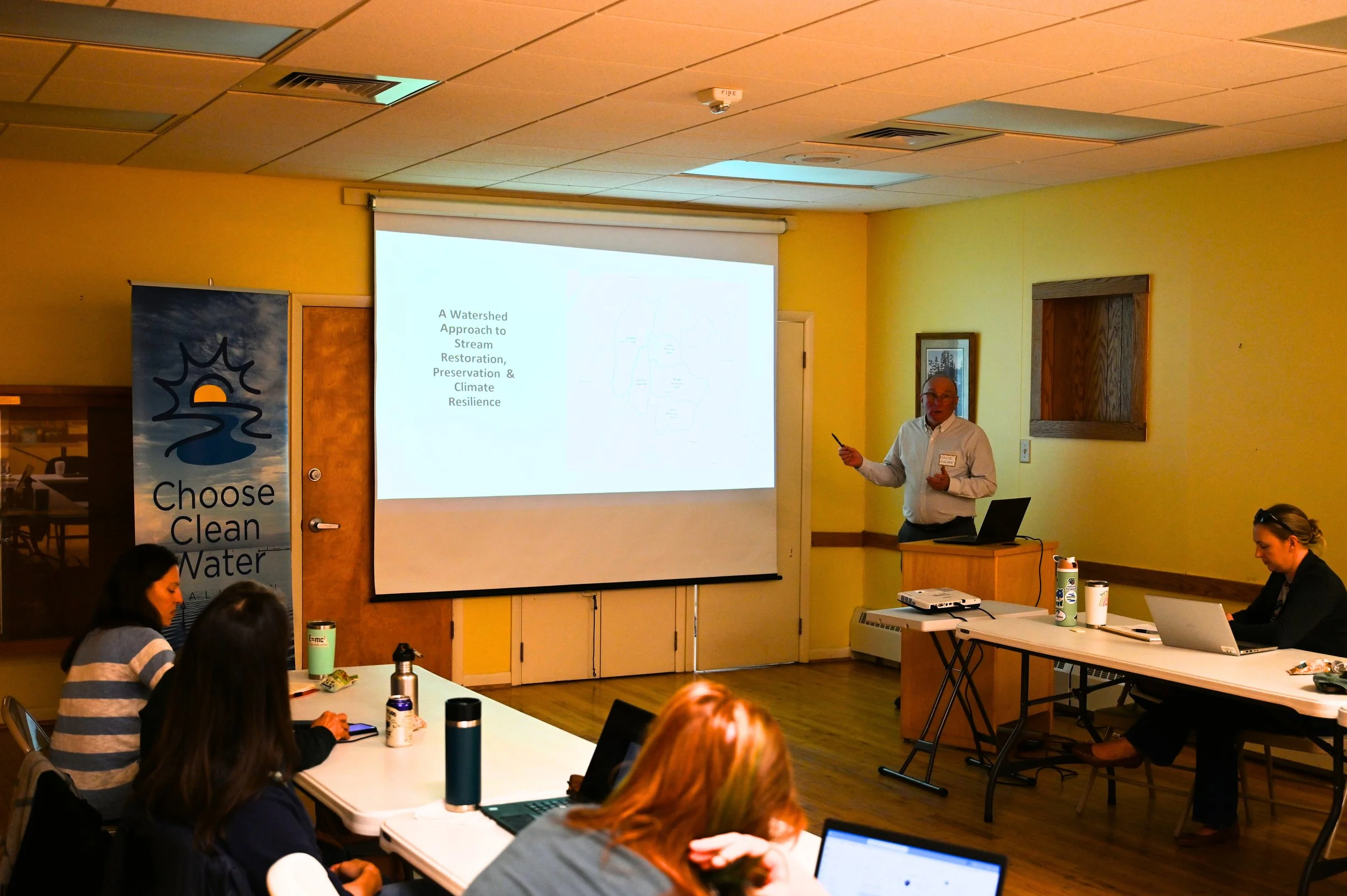
Catoctin Land Trust Director David Lillard sharing on their work with the Whole Watershed partnership
One of the participating recipients of the Whole Watershed Act’s inaugural funding round, and member of our coalition, Catoctin Land Trust, shared the story of the partnership work that has led to their participation in implementing this ambitious, regional restoration effort. Catoctin Land Trust’s Director, David Lillard shared a history of how his organizations and others now involved in the Whole Watershed partnership for the Catoctin and Antietam Rivers have collaborated to advance the implementation of restoration projects in their agricultural-dominated watershed. Indeed, with much of the region’s restoration potential located on private land, partner collaboration has been the key to success—connecting landowners with project implementers through creative outreach like town halls and “conservation speed dating” events. Early successes include new tree planting initiatives and plans for expanded public access along Antietam Creek, alongside dedicated funding for monitoring to track measurable improvements in water quality.
Another guest speaker, Renee Bourassa, Communications Director for the Interstate Commission on the Potomac River Basin (ISPRB), gave two presentations in one. First she discussed road salt. Road salt pollution remains a persistent and costly challenge, with significant ecological and drinking water impacts. Renee shared successes and lessons learned from years of collaboration across sectors to message and manage reductions in road salt usage in the watershed. Second, she shifted gears to provide an overview of a report the ISPRB recently released on risks to the watershed and drinking water supply from data center development. The group also explored emerging threats to water resources. The rapid growth of data centers in the Potomac watershed is raising new concerns, as water demand from these facilities could rise dramatically in coming years. One of the conclusions of the study, and a policy recommendation many in the room voiced agreement with, is the need for greater transparency around data center water usage to inform resource planning.
In addition to those speakers, the group had an open discussion to recap the Maryland General Assembly 2026 legislative session during which both progress and ongoing challenges were underscored. While few major water quality bills passed, Maryland advocates successfully protected critical environmental funding in a difficult budget year. Notable wins included new PFAS regulations in sewage sludge and initial steps toward protecting vernal pools.
Looking ahead, the Coalition identified priorities for the next legislative session, including policies to address pollution from septic systems, the Bay Restoration Fund sunset, plastics reduction, and balancing environmental protections with housing needs—ensuring clean water remains central to Maryland’s future.